


Neurologue en anglais : traduction et vocabulaire neurologique professionnel
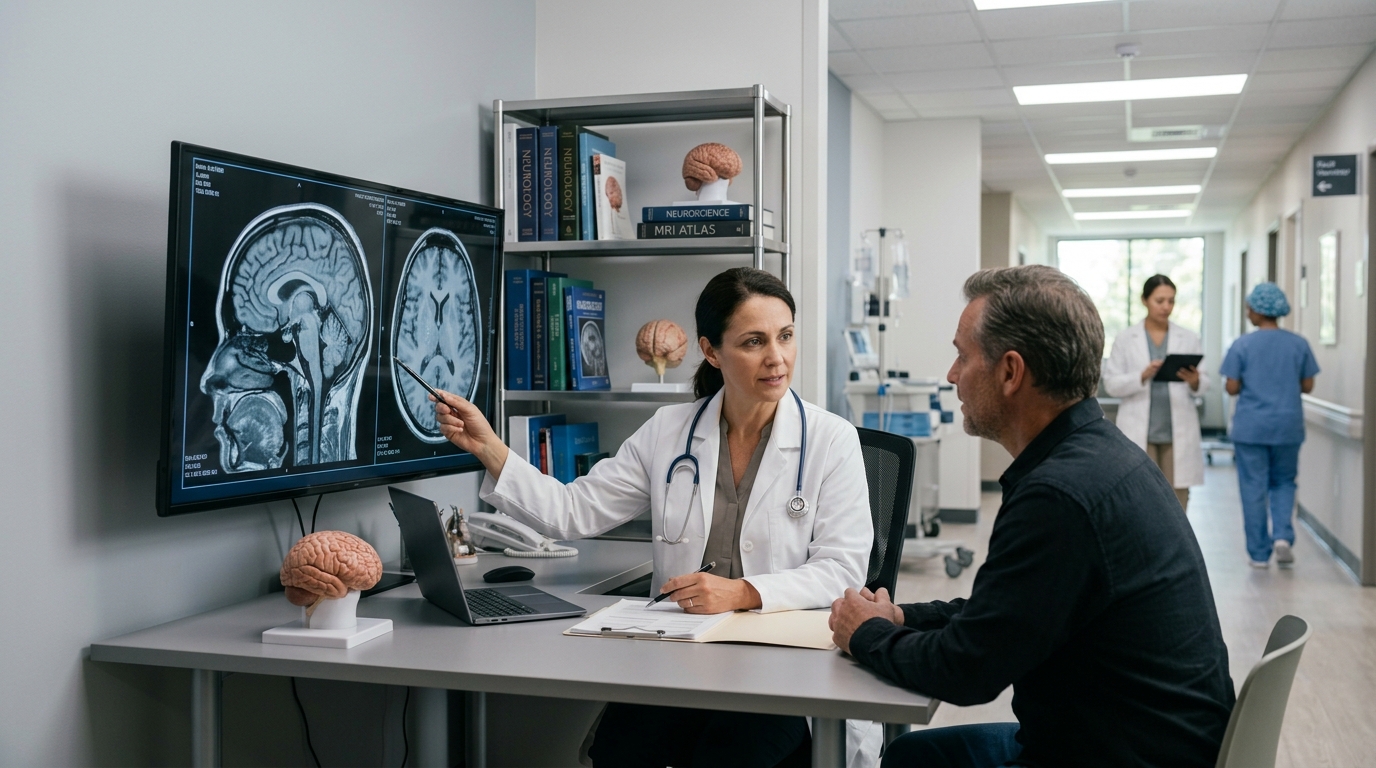
Neurologue se dit neurologist, terme identique en anglais britannique et américain — l'un des plus stables du vocabulaire médical.
- Le neurologist diagnostique et traite médicalement ; le neurosurgeon opère.
- AVC : stroke en langage courant, cerebrovascular accident (CVA) en contexte formel.
- Orthographe UK/US : ischaemic / ischemic, haemorrhagic / hemorrhagic, tumour / tumor.
- Examens clés : EEG, brain MRI, lumbar puncture, EMG, neuropsychological assessment.
Le vocabulaire du podcast
- Epidemiology: Epidemiology is crucial for identifying patterns of disease spread in a population.
- Resuscitation: Immediate resuscitation efforts are essential in the case of cardiac arrest.
- Surgery: The patient underwent successful surgery to remove the tumor.
- Prevention: Vaccination is a key strategy in the prevention of infectious diseases.
- Diagnosis: Accurate diagnosis is fundamental for determining the appropriate course of treatment.
- Treatment: The new drug shows promise as a groundbreaking treatment for certain types of cancer.
- Public Health: Public health campaigns aim to raise awareness and promote healthy behaviors in communities.
- Healthcare Management: Effective healthcare management is vital for ensuring the smooth operation of medical facilities.
- Clinical Research: Clinical research studies play a pivotal role in advancing medical knowledge and treatment options.
- Patient Population: Understanding the characteristics of the patient population is essential for tailoring healthcare services.
- Pharmacology: Pharmacology explores the effects and mechanisms of action of drugs in the human body.
- Medical Ethics: Adhering to strong medical ethics is critical for maintaining trust between healthcare professionals and patients.
- Continuing Medical Education: Continuous medical education is essential for healthcare professionals to stay updated on the latest advancements.
- Clinical Protocols: Following established clinical protocols ensures standardized and effective patient care.
- Palliative Care: Palliative care focuses on improving the quality of life for patients with serious illnesses.
- Preventive Medicine: Preventive medicine strategies aim to stop the development of diseases before they occur.
- Healthcare System: A well-functioning healthcare system provides accessible and quality care to the entire population.
- Quality of Care: Monitoring and improving the quality of care is a constant goal in healthcare.
- Risk Assessment: Rigorous risk assessment is crucial for anticipating and mitigating potential healthcare issues.
- Electronic Health Record: Electronic health records streamline patient information management and enhance healthcare delivery.
- Patient Confidentiality: Maintaining patient confidentiality is a fundamental aspect of medical ethics.
- Medical Regulation: Medical regulation ensures that healthcare practices adhere to established standards and guidelines.
- Medical Innovation: Ongoing medical innovation leads to the development of new and improved treatment options.
- Interprofessional Collaboration: Interprofessional collaboration enhances patient care by bringing together professionals from various healthcare disciplines.
- Standards of Care: Following standards of care ensures consistent and high-quality medical treatment.
- Health Technologies: Emerging health technologies are transforming the way healthcare is delivered and managed.
- Emergency Medical Management: Effective emergency medical management is critical in disaster response and preparedness.
- Patient Education: Patient education is essential for promoting health literacy and empowering individuals to manage their well-being.
- Telemedicine: Telemedicine provides remote access to medical consultations and healthcare services.
- Treatment Protocols: Adhering to treatment protocols is essential for achieving optimal patient outcomes.
- Performance Evaluation: Regular performance evaluation helps identify areas for improvement in healthcare services.
- Care Coordination: Efficient care coordination among healthcare professionals enhances patient outcomes and satisfaction.
- Health Economics: Health economics analyzes the economic factors influencing healthcare delivery and policy.
- Medical Communications: Clear and effective medical communications are crucial for conveying information to both patients and colleagues.
- Immune System: A healthy immune system is vital for defending the body against infections.
- Infectious Diseases: Controlling the spread of infectious diseases requires robust public health measures.
- Neurology: Neurology focuses on the diagnosis and treatment of disorders affecting the nervous system.
- conditions.
- Cardiology: Cardiology specializes in the prevention and treatment of heart-related
- Endocrinology: Endocrinology deals with disorders of the endocrine system and hormonal imbalances.
- Oncology: Oncology is the branch of medicine dedicated to the study and treatment of cancer.
- Pediatrics: Pediatrics involves the medical care of infants, children, and adolescents.
- Geriatrics: Geriatrics focuses on the health and well-being of older adults.
- Rheumatology: Rheumatology addresses disorders affecting the joints, muscles, and connective tissues.
- Psychiatry: Psychiatry deals with the diagnosis and treatment of mental health disorders.
- Radiology: Radiology uses imaging techniques to diagnose and treat medical conditions.
- Pathology: Pathology examines tissues and body fluids to understand the nature of diseases.
- Medical Laboratory: Medical laboratories conduct tests to aid in the diagnosis of various medical conditions.
- Ultrasound: Ultrasound is a non-invasive imaging technique used in medical diagnostics.
- Tomography: Tomography provides detailed cross-sectional images of internal structures for diagnostic purposes.
- Imaging Diagnosis: Imaging diagnosis plays a crucial role in identifying and characterizing medical conditions.
- Immunology: Immunology explores the body's immune system and responses to diseases.
- Microbiology: Microbiology plays a crucial role in identifying and studying microorganisms.
- Medical Genetics: Medical genetics involves the study of genetic factors in health and disease.
- Clinical Epidemiology: Clinical epidemiology focuses on applying epidemiological principles to clinical practice.
- Primary Care: Primary care physicians play a key role in providing initial and comprehensive healthcare services.
- Specialized Care: Specialized care is essential for addressing complex medical conditions through expert knowledge and tailored treatments.
- Emergency Medicine: Emergency medicine professionals respond to urgent medical situations and provide immediate care.
- Pharmacovigilance: Pharmacovigilance monitors and assesses the safety of pharmaceutical products.
- Clinical Trials: Clinical trials are conducted to evaluate the effectiveness and safety of new medical interventions.
- Mental Health: Mental health professionals focus on diagnosing and treating mental and emotional well-being.
- Medical Rehabilitation: Medical rehabilitation aids patients in recovering from illness or injury through therapeutic interventions.
- Palliative: Palliative care aims to improve the quality of life for patients with serious illnesses.
- Physiology: Physiology explores the functions and processes of living organisms and their parts.
- Anatomy: Anatomy involves the study of the structure of living organisms.
- Molecular Biology: Molecular biology investigates the molecular mechanisms underlying biological processes.
- Research Ethics: Research ethics ensures that studies involving human subjects adhere to ethical principles.
- Global Health: Global health initiatives address health challenges on a worldwide scale.
- Epidemic: An epidemic refers to the rapid spread of a disease in a specific population.
- Pandemic: A pandemic is a global outbreak of a disease affecting large populations.
- Health Technology Assessment: Health technology assessment evaluates the effectiveness and impact of healthcare technologies.
- Environmental Health: Environmental health examines the interactions between the environment and human health.
- Alternative Medicine: Alternative medicine explores non-traditional approaches to healthcare.
- Rehabilitation: Rehabilitation services aim to restore function and improve quality of life after illness or injury.
- Reproductive Health: Reproductive health addresses the well-being of the reproductive system throughout life.
- Toxicology: Toxicology studies the effects of toxins and poisons on living organisms.
- Pharmacotherapy: Pharmacotherapy involves the use of drugs to treat medical conditions.
- Vaccinology: Vaccinology focuses on the development and study of vaccines.
- Respiratory System: The respiratory system includes the organs involved in breathing and oxygen exchange.
- Cardiovascular System: The cardiovascular system comprises the heart and blood vessels, essential for blood circulation.
- Gastrointestinal System: The gastrointestinal system is responsible for digestion and nutrient absorption.
- Musculoskeletal System: The musculoskeletal system supports the body's structure and facilitates movement.
- Nervous System: The nervous system controls bodily functions and processes sensory information.
- Endocrine System: The endocrine system regulates hormones and their effects on the body.
- Reproductive System: The reproductive system is crucial for human reproduction.
- Urinary System: The urinary system filters and eliminates waste from the body.
- Hematology: Hematology focuses on the study of blood and blood-forming tissues.
- Immunotherapy: Immunotherapy stimulates the immune system to treat or prevent diseases.
- Electrocardiogram: An electrocardiogram (ECG) records the electrical activity of the heart.
- Cardiac Rehabilitation: Cardiac rehabilitation supports patients in recovering from heart- related issues.
- Intensive Care: Intensive care provides specialized care for critically ill patients.
- Medical Demography: Medical demography studies population trends and their impact on healthcare.
- Quality of Care Assessment: Assessing the quality of care ensures standards are met for patient well-being.
- Medical Education: Medical education encompasses the training of future healthcare professionals.
- Evidence: Evidence-based medicine relies on scientific evidence to guide clinical decision- making.
- Medical Leadership: Medical leadership involves guiding and managing healthcare teams.
- Medical Resource Management: Efficient medical resource management ensures optimal use of healthcare resources.
- Research Protocols: Research protocols outline the procedures and guidelines for scientific studies.
- Maternal Health: Maternal health focuses on the well-being of women during pregnancy and childbirth.
- Child Health: Child health initiatives aim to promote the well-being of children.
- Adolescent Health: Adolescent health addresses the unique healthcare needs of teenagers.
- Pain Scale: The patient's pain level is assessed using a standardized pain scale to guide treatment.
- Clinical Observation: Accurate clinical observation is crucial for detecting changes in a patient's condition.
- Differential Diagnosis: A thorough differential diagnosis helps narrow down potential causes of a patient's symptoms.
- Biomedical Ethics: Biomedical ethics guides healthcare professionals in making morally sound decisions in medical practice.
- Hospital Hygiene: Strict hospital hygiene practices are implemented to prevent the spread of infections.
- Antibiotic Resistance: Addressing antibiotic resistance is a global priority to preserve the effectiveness of antibiotics.
- Long-Term Predictive Medicine: Long-term predictive medicine aims to forecast health outcomes and tailor interventions accordingly.
- Emerging Epidemic: Early detection and intervention are crucial in managing an emerging epidemic.
- Nursing Care Assessment: Nursing care assessments provide a comprehensive understanding of a patient's needs.
- Infection Prevention: Rigorous infection prevention measures are essential to maintain a safe healthcare environment.
- Innate Immune System: The innate immune system provides immediate, non-specific defense against pathogens.
- Inflammatory Response: The inflammatory response is a natural defense mechanism that helps the body heal.
- Chemotherapy: Chemotherapy is a common cancer treatment that uses drugs to destroy cancer cells.
- Gene Therapy: Gene therapy holds promise in treating genetic disorders by introducing or correcting genes.
- Postoperative Recovery: Monitoring postoperative recovery ensures a smooth transition to optimal health.
- Patient-Centered Care: Providing patient-centered care involves tailoring medical care to individual patient needs.
- Integrated Care: Integrated care models focus on coordinated healthcare delivery across various disciplines.
- Digital Health: Digital health technologies enhance healthcare through digital solutions and information management.
- Regenerative Medicine: Regenerative medicine aims to repair or replace damaged tissues for functional restoration.
- End-of-Life Care: End-of-life care focuses on providing comfort and support to patients in their final stages.
- Pulmonary Function Assessment: Pulmonary function assessments evaluate the health and efficiency of the respiratory system.
- Chronic Pain Treatment: Chronic pain treatment involves multimodal approaches to improve patients' quality of life.
- Health Psychology: Health psychology explores the psychological factors influencing health and well-being.
- Cognitive Behavioral Therapy: Cognitive behavioral therapy is effective in managing mental health conditions through behavioral interventions.
- Primary Health Care: Primary health care emphasizes accessible and comprehensive healthcare services for all.
- Nutritional Assessment: Nutritional assessments help tailor dietary plans to meet individual health needs.
- Physical Therapy: Physical therapy aids in rehabilitation and improving physical function through targeted exercises.
- Cancer Screening: Regular cancer screenings aim to detect and treat cancer at an early, more manageable stage.
- Medical Data Management: Efficient medical data management ensures accurate and secure patient information.
- Cardiovascular Disease Prevention: Cardiovascular disease prevention strategies focus on reducing risk factors for heart-related conditions.
- Cardiac Rehabilitation: Cardiac rehabilitation programs support individuals recovering from heart- related issues.
- Pediatric Care: Pediatric care specializes in the health and well-being of infants, children, and adolescents.
- Neurological Evaluation: Neurological evaluations assess and diagnose disorders affecting the nervous system.
- Cancer Immunotherapy: Cancer immunotherapy harnesses the body's immune system to target and destroy cancer cells.
- Electroencephalogram (EEG): An EEG measures and records electrical activity in the brain for diagnostic purposes.
- Genetic Risks: Identifying genetic risks is crucial for personalized healthcare and preventive measures.
- Genetic Counseling: Genetic counseling provides guidance on genetic risks and informs decision- making.
- Reproductive Health Care: Reproductive health care encompasses services that promote and manage reproductive well-being.
- Surgical Interventions: Surgical interventions are planned procedures to address specific medical conditions.
- Ambulatory Care: Ambulatory care provides medical services on an outpatient basis, without hospitalization.
- Orthopedics: Orthopedics focuses on the diagnosis and treatment of musculoskeletal disorders.
- Renal Function Evaluation: Renal function evaluations assess the health and efficiency of the kidneys.
- Dermatological Care: Dermatological care addresses conditions affecting the skin, hair, and nails.
- Internal Medicine: Internal medicine specializes in the diagnosis and treatment of adult diseases.
- Pulmonary Rehabilitation: Pulmonary rehabilitation programs support individuals with respiratory conditions.
- Lymphatic System: The lymphatic system plays a key role in immune function and fluid balance.
- Stroke Prevention: Stroke prevention strategies aim to reduce the risk of cerebrovascular events.
- Digestive Health: Digestive health focuses on the well-being of the gastrointestinal system.
- Endocrine Evaluation: Endocrine evaluations assess hormonal imbalances and endocrine system function.
- Respiratory Health: Respiratory health initiatives aim to promote lung health and prevent respiratory diseases.
- Emergency Medical Response: Efficient emergency medical response is critical in time-sensitive situations.
- Medical Research Ethics: Adhering to ethical principles is crucial in conducting responsible and ethical medical research.
- Palliative Care Management: Palliative care management focuses on improving the quality of life for individuals with serious illnesses.
- Molecular Epidemiology: Molecular epidemiology investigates the genetic and molecular factors in disease spread.
- Mental Health Care Management: Mental health care management involves coordinating services for individuals with mental health needs.
- Oncology Nursing: Oncology nursing specializes in providing care to individuals with cancer.
- Global Health Care: Global health care initiatives address health challenges on an international scale.
- Health Care Network: Health care networks facilitate collaboration and coordination among healthcare providers.
- Molecular Diagnosis: Molecular diagnosis uses genetic and molecular techniques to identify diseases.
- Dental Health: Dental health initiatives promote oral health and prevent dental diseases.
- Cardiac Rehabilitation (Repeated): Cardiac rehabilitation supports individuals in recovering from heart-related issues.
- Women's Health Care: Women's health care addresses the unique healthcare needs of women throughout their lives.
- Cardiac Evaluation: Cardiac evaluations assess heart health and function.
- Elderly Care: Elderly care focuses on the unique health needs of older adults.
- Cardiovascular Risk Assessment: Cardiovascular risk assessments help identify factors that may lead to heart-related issues.
- Family Health Care: Family health care considers the health needs of the entire family unit.
- Respiratory Therapy: Respiratory therapy involves interventions to improve respiratory function.
- Ophthalmological Evaluation: Ophthalmological evaluations assess eye health and vision.
- Environmental Health: Environmental health examines how the environment impacts human health.
- Community Health Care: Community health care addresses the health needs of specific populations.
- Liver Function Evaluation: Liver function evaluations assess the health and efficiency of the liver.
- Pediatric Intensive Care: Pediatric intensive care provides specialized care for critically ill children.
- Trauma Assessment: Trauma assessments are crucial in emergency situations to determine the extent of injuries.
- Neonatal Care: Neonatal care specializes in the health and well-being of newborns.
- Translational Research: Translational research bridges the gap between scientific discoveries and practical applications in healthcare.
- Postoperative Pain Management: Postoperative pain management aims to alleviate pain and discomfort after surgery.
- Minority Health: Minority health initiatives address health disparities in minority populations.
- Men's Health: Men's health initiatives focus on the unique healthcare needs of men.
- Health Care for People with Disabilities: Tailored health care for people with disabilities ensures equitable access to medical services.
- Preventive Care: Preventive care emphasizes measures to prevent the onset or progression of diseases.
- Health Care Workers' Health: Prioritizing health care workers' health is essential for maintaining a resilient healthcare workforce.
- Emergency Medical Care: Emergency medical care provides immediate assistance in critical situations.
- Cancer Survivor Care: Cancer survivor care addresses the long-term health needs of individuals who have completed cancer treatment.
- Regenerative Medicine (Repeated): Regenerative medicine aims to repair or replace damaged tissues for functional restoration.
- Musculoskeletal Health Care: Musculoskeletal health care focuses on the health of the bones, muscles, and joints.
- Chronic Care Management: Chronic care management provides ongoing support for individuals with long-term health conditions.
- Dermatological Evaluation (Repeated): Dermatological evaluations assess conditions affecting the skin, hair, and nails.
- Neurological Health Care: Neurological health care involves the diagnosis and management of disorders affecting the nervous system.
- Obstetric Care: Obstetric care specializes in the health and well-being of pregnant individuals.
- Geriatric Care: Geriatric care addresses the health needs of older adults.
- Gynecological Evaluation: Gynecological evaluations assess the health of the female reproductive system.
- Pediatric Palliative Care: Pediatric palliative care focuses on improving the quality of life for seriously ill children.
- Pediatric Intensive Care (Repeated): Pediatric intensive care provides specialized care for critically ill children.
- Pediatric Evaluation: Pediatric evaluations assess the health and development of children.
- Neonatal Intensive Care: Neonatal intensive care provides specialized care for critically ill newborns.
- Perinatal Care: Perinatal care addresses the health needs of individuals during pregnancy and childbirth.
- Neonatal Evaluation: Neonatal evaluations assess the health and development of newborns.
- Family Dental Health Care (Repeated): Family dental health care promotes oral health for the entire family.
- Molecular Medicine: Molecular medicine applies molecular and genetic techniques to understand and treat diseases.
- Neurological Rehabilitation: Neurological rehabilitation focuses on the recovery and improvement of neurological function.
- Respiratory Health Care (Repeated): Respiratory health care initiatives aim to promote lung health and prevent respiratory diseases.
- Community Health Care (Repeated): Community health care addresses the health needs of specific populations.
- Pediatric Intensive Care (Repeated): Pediatric intensive care provides specialized care for critically ill children.
- Neuropsychological Assessment: Neuropsychological assessments evaluate cognitive function and mental health.
- Mental Health Nursing: Mental health nursing involves providing care and support to individuals with mental health conditions.
- Public Health Nursing: Public health nursing focuses on promoting and protecting the health of communities.
- Cardiovascular Health: Cardiovascular health initiatives aim to prevent and manage heart-related conditions.
- Integrated Care (Repeated): Integrated care models focus on coordinated healthcare delivery across various disciplines.
- Refugee Health Care: Refugee health care addresses the unique health needs of displaced populations.
- Allergy Management: Allergy management involves identifying and treating allergies to improve quality of life.
- Oncology Palliative Care: Oncology palliative care provides compassionate care for individuals with advanced cancer.
- Genetic Risk Assessment: Genetic risk assessments help individuals understand their susceptibility to genetic conditions.
- Genomic Health Care: Genomic health care utilizes genetic information for personalized healthcare strategies.

Neurologue se traduit en anglais par neurologist. Ce terme est identique en anglais britannique et américain — il n'existe pas de variante selon le pays, ce qui en fait l'un des termes médicaux les plus stables à mémoriser. Un neurologist est le médecin spécialiste du nervous system (système nerveux), en charge du diagnostic et du traitement des pathologies affectant le cerveau, la moelle épinière et les nerfs périphériques.
Vos équipes médicales travaillent en contexte international ? Contactez notre équipe pour un audit linguistique gratuit.
Neurologue en anglais : la traduction et les spécialistes associés
Neurologist est la traduction directe et universelle de "neurologue". Le terme s'emploie dans tous les contextes : consultation, compte-rendu, courrier médical, publication scientifique. On dira par exemple : "The patient has been referred to a neurologist for further evaluation" (le patient a été adressé à un neurologue pour bilan complémentaire).
Neurologist et les sous-spécialités de la neurologie en anglais
La neurologie est une discipline aux nombreuses ramifications. Voici les spécialistes et professionnels associés en anglais :
Vocabulaire neurologique en anglais : tableau bilingue complet
Les pathologies neurologiques en anglais
Le document MEDICAL_TERMS_AND_FUNCTIONS couvre plusieurs entrées directement utiles ici : Neurology, Neurological Health Care, Neurological Rehabilitation, Neuropsychological Assessment, Stroke Prevention, Mental Health. Voici le vocabulaire complet des pathologies :
Les examens et actes neurologiques en anglais
Le document médical source mentionne directement plusieurs de ces examens : Neurological Evaluation, Electroencephalogram (EEG), Imaging Diagnosis, Tomography, Ultrasound, Neuropsychological Assessment, Clinical Observation, Differential Diagnosis.
Le système nerveux et l'anatomie neurologique en anglais
Issus directement du document médical : Nervous System, Neurology, Anatomy, Physiology, Molecular Biology.
Communiquer en anglais dans un contexte neurologique professionnel
La neurologie est une spécialité qui exige une communication précise — entre praticiens, avec les patients, et dans les échanges interdisciplinaires. Voici les formulations les plus utiles à l'oral et à l'écrit :
Orientation et prise en charge :
En consultation :
Compte-rendu et correspondance médicale :
L'anglais médical, un enjeu professionnel pour les équipes de neurologie
Dans les services de neurologie, la communication en anglais est une réalité quotidienne : publications scientifiques, congrès internationaux, protocoles de recherche clinique (clinical research protocols), collaboration avec des équipes étrangères. Or, en France, 64 % des cadres ne s'estiment pas au niveau requis en anglais oral (étude Cadre Emploi), et 50 % des entreprises et établissements ont déjà subi des conséquences directes d'une maîtrise insuffisante de l'anglais (sondage AFP).
Pour les équipes médicales — neurologues, internes, infirmiers de neurologie, secrétaires médicales —, cette lacune freine la participation aux échanges scientifiques, complique la prise en charge de patients allophones et limite l'accès aux ressources en evidence-based medicine.
Business SpeakingNotre organisme accompagne depuis plus de 15 ans les entreprises et établissements de santé dans la montée en compétence de leurs équipes en anglais professionnel. Les formations sont conçues autour des situations concrètes du secteur médical : rédaction de comptes-rendus en anglais, présentations de cas cliniques, échanges interdisciplinaires internationaux. Elles sont dispensées par des formateurs natifs certifiés, disponibles en présentiel, distanciel ou en blended learning, et éligibles CPF et OPCO.
Plus de 500 entreprises et établissements accompagnés. Taux de satisfaction supérieur à 95 %.
Vous souhaitez former vos équipes médicales à l'anglais neurologique ?
FAQ — Neurologue en anglais




.avif)